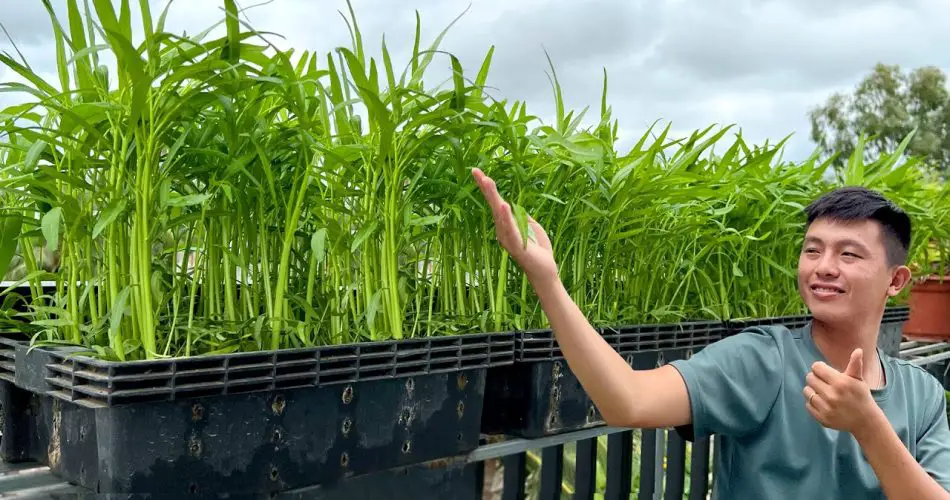
If you don’t have a garden, there are still several quick and easy ways to grow vegetables for personal consumption. Here are some methods that allow you to grow vegetables indoors or in small spaces:
1. Container Gardening:
- Use containers or pots to grow vegetables on balconies, patios, or windowsills.
- Choose compact varieties suitable for containers, such as cherry tomatoes, herbs, lettuce, or dwarf peppers.
2. Vertical Gardening:
- Utilize vertical space by growing vegetables on walls, trellises, or hanging containers.
- Vine plants like peas, beans, or small-sized tomatoes are suitable for vertical gardening.
3. Window Boxes:
- Plant herbs, salad greens, or small vegetables in window boxes placed on sills or railings.
- Window boxes are convenient for those with limited space.
4. Indoor Herb Garden:
- Grow herbs like basil, mint, or chives on windowsills or under artificial lighting indoors.
- Herbs are compact and can add fresh flavors to your meals.
5. Grow Bags:
- Use grow bags filled with potting soil to grow vegetables like potatoes, carrots, or small tomatoes.
- Grow bags are portable and suitable for small spaces.
6. Hydroponics:
- Consider hydroponic systems for growing vegetables without soil. This method uses nutrient-rich water.
- Hydroponics allows for faster growth and can be set up indoors.
7. Sprouts and Microgreens:
- Grow sprouts or microgreens on your kitchen counter. These nutrient-dense greens require minimal space.
- Examples include alfalfa sprouts, broccoli microgreens, or radish sprouts.
8. Containerized Straw Bale Gardening:
- Use straw bales as containers for growing vegetables. They provide a nutrient-rich environment.
- Suitable for tomatoes, peppers, or even compact varieties of pumpkins.
9. Community Gardens:
- Check if there’s a community garden in your area where you can rent a small plot to grow vegetables.
- Community gardens are great for sharing knowledge and resources.
Show Comments


